Table of Contents
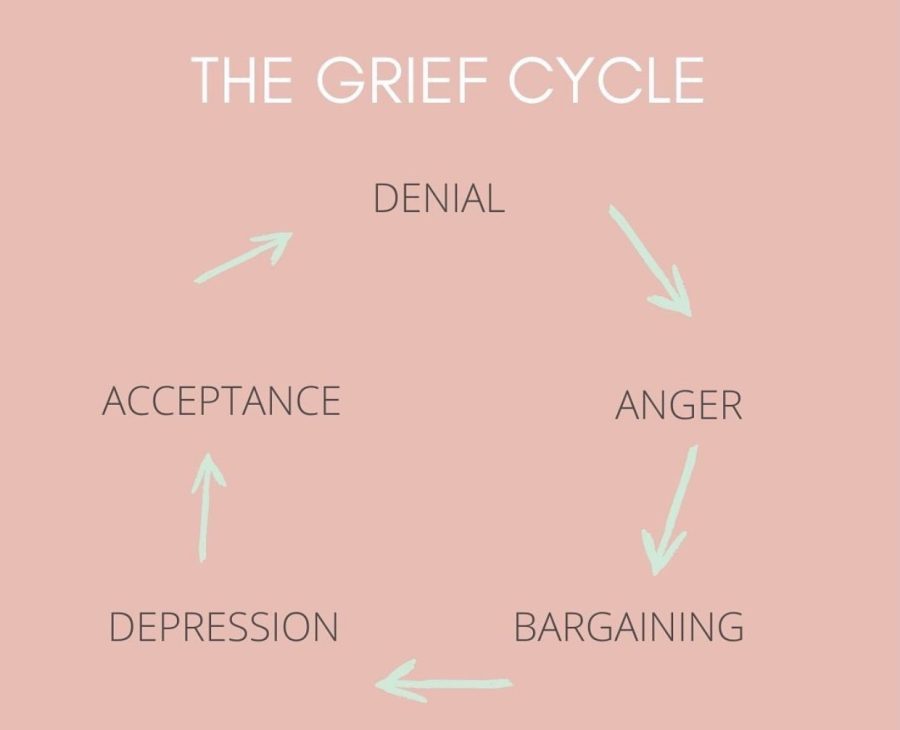
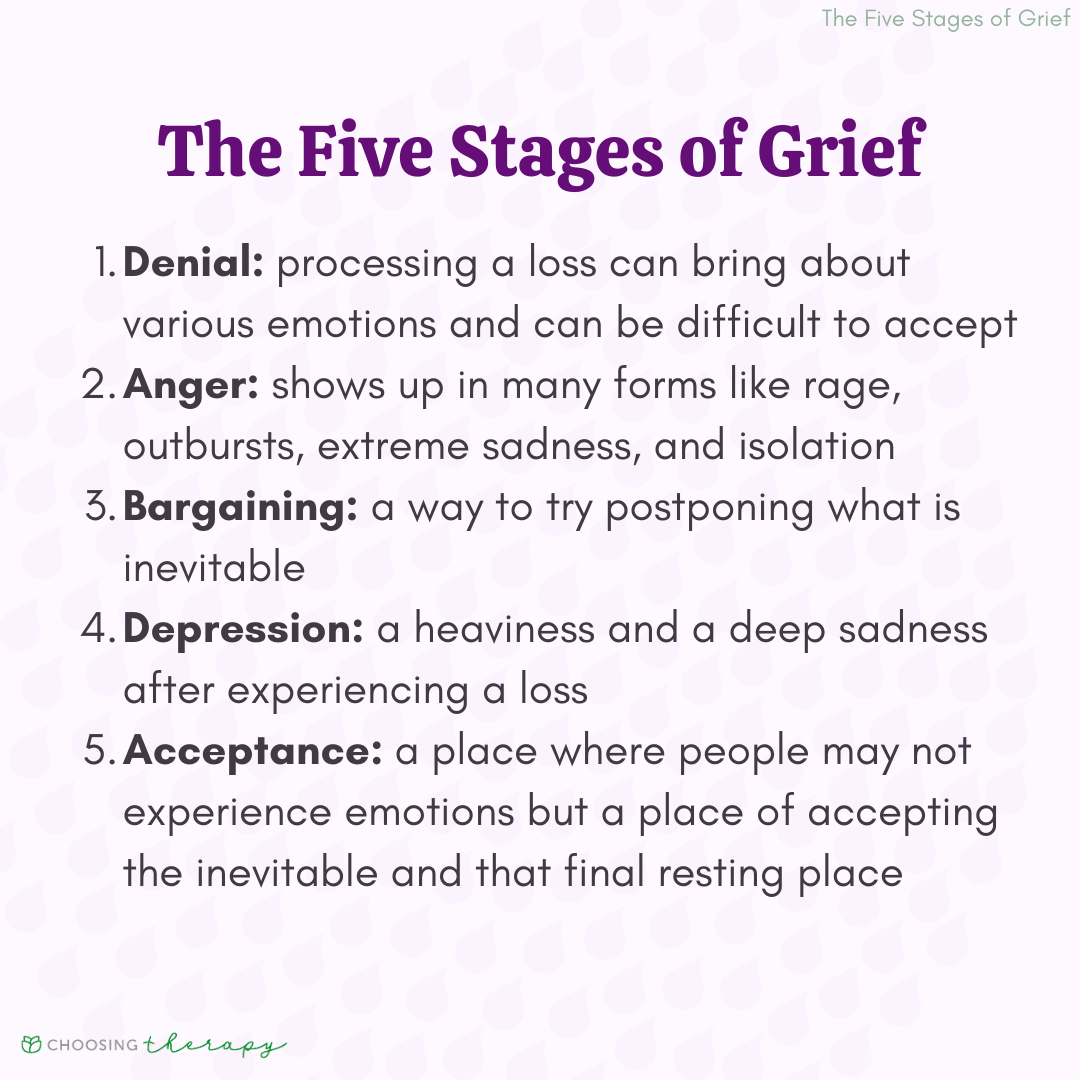
The five stages of grief are denial, rage, negotiating, depression, and approval. Every person experiences pain in a different way, and it is crucial to permit individuals to regret in their own way.
It is essential to keep in mind that the grieving process can be intricate, and it isn't the same for everyone. These steps might not be followed precisely, or various other feelings may surface after you assumed you were with the phases of grieving. Enabling area to experience sorrow in your own means can help you heal after loss.

It recommends that we go with five distinctive phases after the loss of an enjoyed one. These phases are rejection, anger, bargaining, clinical depression, and lastly approval. In the initial stage of the grieving procedure, denial aids us decrease the overwhelming discomfort of loss. As we process the fact of our loss, we are likewise attempting to make it through psychological discomfort.
Throughout this phase in mourning, our fact has shifted completely. It can take our minds time to get used to our brand-new fact. We review the experiences we have actually shown to the person we lost, and we could locate ourselves questioning just how to move onward in life without he or she. This is a whole lot of information to discover and a great deal of painful imagery to procedure.
The Importance of Nervous System Work in Depression Healing
Rejection is not only an effort to make believe that the loss does not exist. We are additionally attempting to absorb and comprehend what is happening. The 2nd stage in grieving is rage. We are trying to adapt to a new reality and are most likely experiencing extreme emotional pain. There is so much to process that rage might really feel like it enables us a psychological electrical outlet.
Temper also has a tendency to be the initial thing we really feel when beginning to release feelings connected to loss. This can leave us feeling isolated in our experience.
Throughout negotiating, we often tend to focus on our personal mistakes or remorses. We could recall at our communications with the individual we are shedding and keep in mind regularly we felt separated or may have created them discomfort. It prevails to remember times when we might have said points we did not indicate and want we could return and act in a different way.
During our experience of processing grief, there comes a time when our imaginations calm down and we slowly start to check out the fact of our present situation. Bargaining no more really feels like an option and we are faced with what is taking place. In this stage of grieving, we start to really feel the loss of our liked another generously.
The Hidden Price of Peak Performance
In those minutes, we have a tendency to draw inward as the despair grows. We may locate ourselves pulling back, being less sociable, and reaching out much less to others regarding what we are experiencing. Although this is a really all-natural stage in the mourning process, managing depression after the loss of a liked one can be exceptionally separating and among the most difficult phases.
, it is not that we no much longer really feel the pain of loss. Rather, we are no much longer resisting the fact of our scenario, and we are not struggling to make it something various.
There is no certain period for any one of these stages. Someone might experience the stages quickly, such as in a matter of weeks, whereas another individual might take months and even years to relocate via the stages of grieving. Whatever time it considers you to move via these phases is perfectly typical.
Somatic Trauma in Healthcare Professionals: Understanding Through Somatic Therapy
You may or might not go through each of these stages or experience them in order. We might likewise relocate from one phase to another and potentially back again before totally moving right into a brand-new stage.
These models can give greater understanding to individuals that are harming over the loss of a loved one. They can additionally be made use of by those in recovery professions, aiding them to give reliable care for mourning people that are seeking informed guidance.
British psychiatrist Colin Murray Parkes developed a model of despair based upon Bowlby's theory of accessory, suggesting there are 4 stages of grieving when experiencing the loss of a liked one:: Loss in this stage really feels impossible to accept. The majority of closely related to Kbler-Ross's phase of rejection, we are overwhelmed when trying to manage our emotions.
: As we refine loss in this stage of pain, we might begin to look for convenience to fill deep space our liked one has left. We might do this by reliving memories with photos and looking for indicators from the individual to feel linked to them. In this stage, we become really preoccupied with the person we have actually lost.
Early Attachment Injuries and Professional Success
The awareness that our enjoyed one is not returning feels real, and we can have a challenging time comprehending or finding hope in our future. We may feel a little bit pointless during this section of the grieving procedure and retreat from others as we process our pain.: In this stage, we feel extra hopeful that our hearts and minds can be recovered.

Navigation
Latest Posts
Starting Your First Step Towards Recovery in Roseville, CA
Autism Spectrum Evaluation: Comprehensive Evaluation Process
Moving Beyond Negative Thought Patterns With Evidence-Based Treatment