Table of Contents
To test this view information are needed on programme costs of alternate treatments along with their advantages. We will evaluate current research studies of expense performance where readily available. There is no current performance review of wild therapy. The last testimonial of wild treatment Wilson and Lipsey (2000) is extremely dated.
That evaluation was released over 20 years ago and so is in requirement of an upgrade. There is an extra recent testimonial Fernee et al. (2017), yet that is a qualitative evaluation which clearly leaves out programs intended for kids presenting offending behaviour. Bowen and Neill (2013) accomplished a metaanalytic review of outdoor challenge tasks that consisted of 197 studies.
Wild treatment is a clinical intervention for both teenagers and young people. It can be utilized to resolve not just behavioral problems and chemical abuse, however social, psychological and relational troubles also. Most wilderness therapies might consist of any or every one of the following: Extensive backcountry traveling and wilderness living Continual group living and normal official group treatment sessions to promote teamwork and social communications.
Experience experiences which help trainees to develop confidence and resilience by enabling them to relocate out of their comfort areas in a risk-free and encouraging atmosphere. The use of nature both in reality and allegory within the therapeutic process. A solid ethic of treatment, support, and security throughout the healing experience.
Uncomfortable Processes with Couples therapy
It enables the clinicians to see patterns and habits as they turn up organically, and to be able to resolve them experientially in the minute, along with processing them verbally. Additionally, it is an evidence based treatment. It is sustained by a significant amount of research released in peer examined journals.
Interestingly, data gathered from wild programs reveal that in spite of the threats that are integral in several of these tasks they are actually rather safe. Actually, pupils signed up in restorative wild programs were 3 times less likely to visit a medical emergency clinic than teens living at home. Further, teens were 140 times most likely to be hurt playing high college football than taking part in a wild program.
2012). As is the situation for the majority of locations of clinical and psychiatric treatment, wilderness therapy requires to boost as the area proceeds to develop.
The protected program should have policies and treatments that cover all prescription and non-prescription medication personnel at the covered program must be provided with alignment training before or within thirty day of hire. The orientation must include training on the adhering to (I) Technique and habits monitoring procedures consisting of de-escalation abilities training, situation avoidance abilities, positive habits management, and technique techniques that are non-punitive in nature and are concentrated on helping kids in treatment build favorable personal relationships and self-control; and (II) Training may not include any psychological, mental or abusive of personnel to kids in treatment need to be established and kept that will certainly supply sufficient supervision, safety and security for kids in care.
Financial Considerations for Trauma therapy
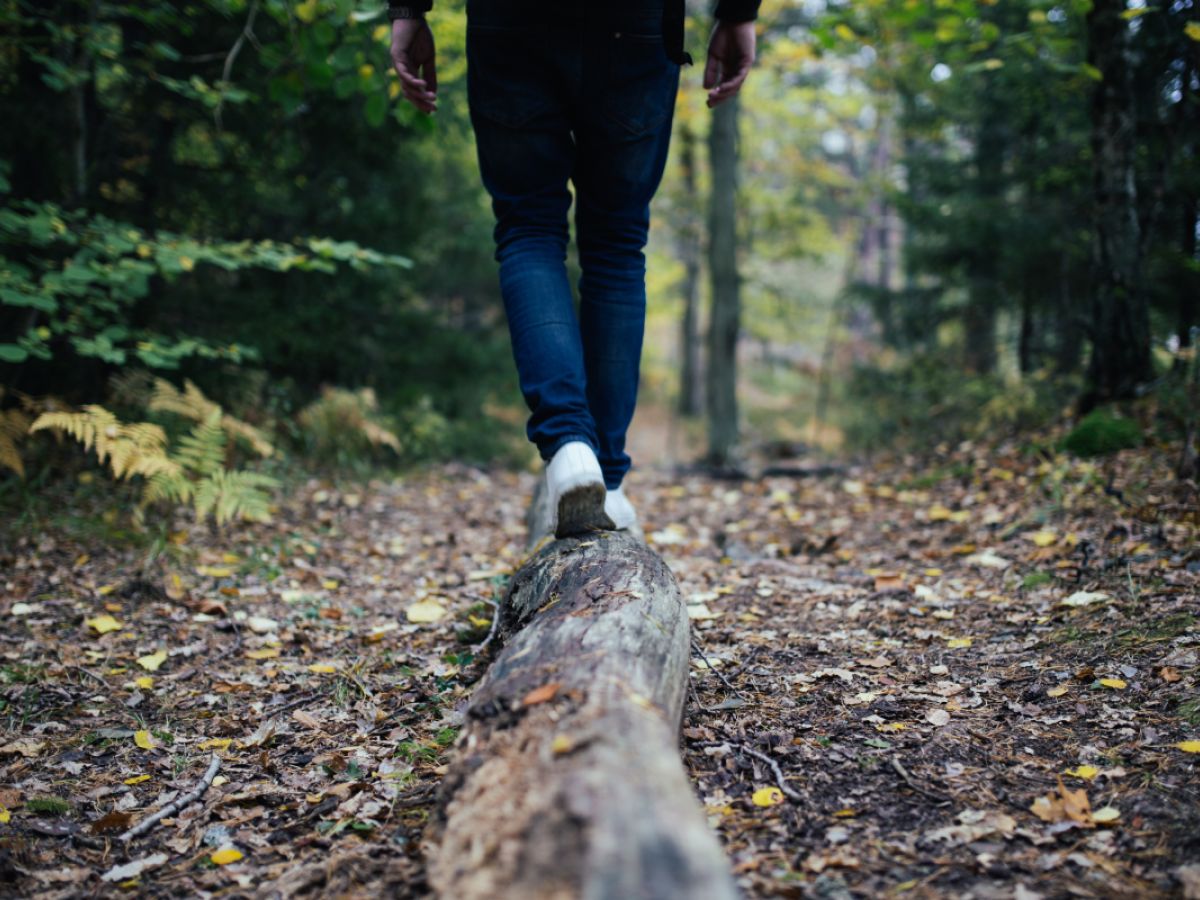
It has been shown to be a beneficial and reliable treatment when various other techniques have not been effective. Is an extensive backpacking trip (whether as part of a wild therapy program or just for leisure) occasionally uncomfortable? Do backpackers occasionally discover themselves cool or starving or filthy?
Were/are there some low quality programs out there? Regrettably, yes. Did the sector need to grow, create, improve and tighten up its treatments over the past 25 years? Yes. Have surgeries, chemotherapy and most other medical procedures expanded and improved over this exact same time period? Naturally. Is wilderness treatment a cure all? No.

Let me approach this from a number of angles. For myselfI go to the outdoors, backpacking specifically, to loosen up, invigorate, disconnect, commune with nature and recharge. Like a great deal of individuals, I operate in a workplace and being in front of a computer system all day. Going out permits me to "leave".
Emotional Integration with EMDR
Occasionally that will be working out issues at home/work, but usually it simply runs wild. Second, I am a Precursor Master for a neighborhood Boy Scout Army and I typically take a group of kids out for backpacking.
We do not allow electronic tools, besides GPSr's. Initially, the enforced detach from the technical globe typically had them grumbling. Currently, the older boys demand it. I took a team to Philmont, NM in 2005, primarily 15 year olds. I overheard them on the return talking with others regarding the "favorite" component of the journey.
No, almost every person talked about the sunrise from the ridge, or the number of celebrities. They chatted in hushed, awe filled voices. Sure they conquered difficulties. WE (adults) were led by them. They needed to make the choices. We did not save them. They misread maps, got "shed" for some time, but conquered every barrier.
Therapy for me was coming back in contact with the calmness of nature. We shared and expanded together. Dang, I can never ever obtain it right. Every time I attempt to explain to household or good friends, I just get part of why I do it. I do recognize it is restorative for me.
Peak Experiences through Trauma therapy
Maybe it is a dependency as opposed to therapy.
A requirement of her wilderness treatment program, they informed her. Due to the fact that of her eating disorder, a personnel participant was with her at all times virtually the entire length of her stay in the Utah desert.

Navigation
Latest Posts
Somatic Therapy Through Waterloo, Ontario DBT Therapy Services
Examining the Association Between Trauma and Food-Related Struggles
Sleep Patterns for Danbury Clients