Table of Contents
"How are you?" The answer to this inquiry is occasionally a lot more difficult than the person asking may recognize. You could spout out a fast, "Penalty, many thanks!" even when you understand you're not. AdvertisementCleveland Facility is a non-profit academic medical facility. Advertising on our site assists sustain our goal. We do not recommend non-Cleveland Center service or products.
And while that makes these problems appear really various, they are extra intertwined than they could seem. And they commonly occur together. Psychoanalyst Karen Jacobs, DO, provides us an overview of what anxiousness and depression are, just how they materialize in different methods, exactly how they can be relevant and just how to inform the difference between both.

Obsessing over circumstances or outcomes. Indecisiveness. Fear. Failure to loosen up. Sensations of restlessness. Difficulty concentrating or physical anxiety. On top of that, there's a plethora of physical signs and symptoms that can accompany stress and anxiety, including: Muscle tension. Chest tightness. Feeling conveniently exhausted or exhausted. Heart palpitations. Lack of breath. A prolonged state of anxiety, which frequently triggers your fight-or-flight response, can have major repercussions on your health.
Addressing Parts of Self With Internal Family Systems
Jacobs states it's so crucial to look for therapy if you're experiencing these signs and symptoms. A depression medical diagnosis goes much past simply having cries. The large difference between sadness and scientific clinical depression is that, with sadness, the symptoms are not almost as serious or relentless. Simply put, they do not conflict with your capability to operate on a daily basis when you're simply sad or having a poor day.
Hallmark indications of anxiety consist of: Feelings of unhappiness and despondence. Loss of interest. Difficulty resting. Feeling tired. A modification in hunger. Unexplained physical discomfort or pains. Seeming like little tasks take added initiative. Having thoughts of self-harm or suicide. Feelings of insignificance and low self-esteem, and depressed state of mind. Anxiety and clinical depression are both typical psychological health and wellness conditions that can impact your capacity to deal with your daily jobs and live your life fully.
The Unique Approach of IFS for Couples Resolves Couples Counseling Impact on Partnerships and Restores Connection
Both stress and anxiety and anxiety can create: Digestive system troubles. Adjustments in appetite or weight. Difficulty resting. Difficulty focusing. Irritation and uneasyness. If you're experiencing any of these signs and symptoms, it is necessary to allow a doctor know. If you're experiencing adjustments in your mood and you're trying to iron out whether it may be clinical depression or anxiousness or both focus on your energy level and your perspective towards the future.
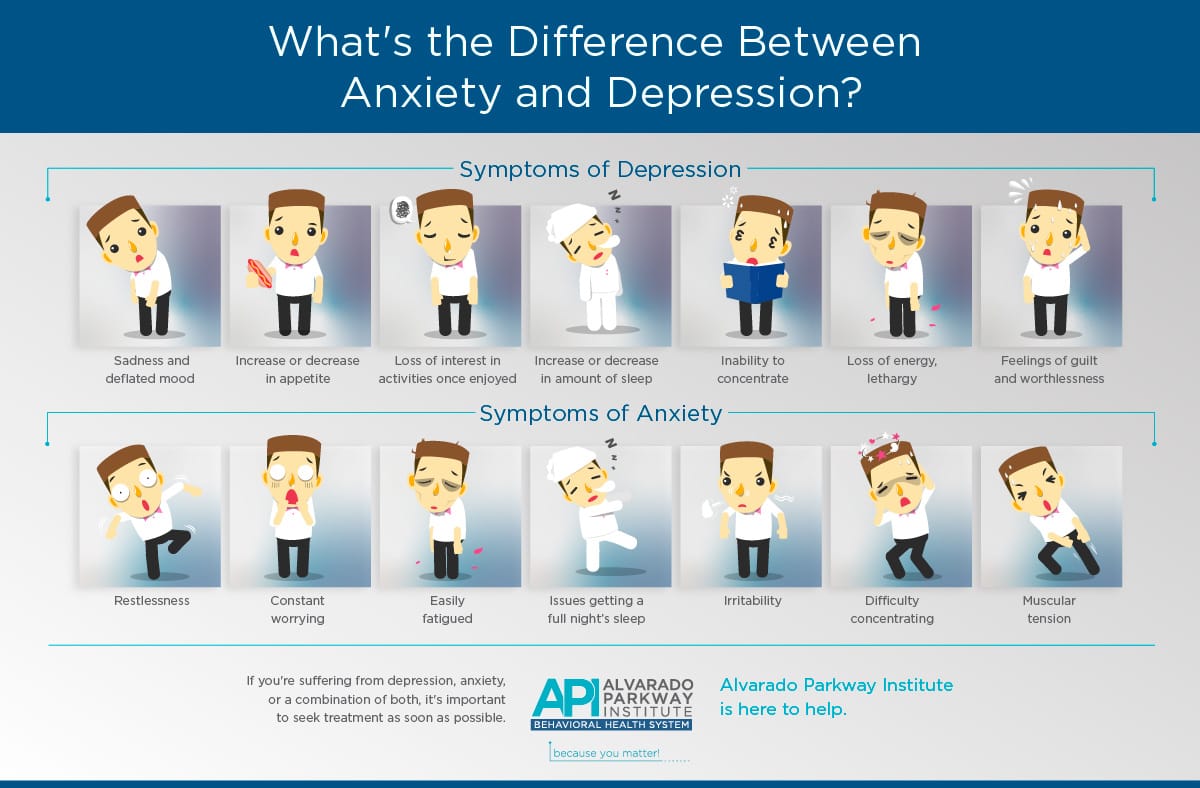
Anxiousness can trigger you to really feel high-strung and energized, frequently fueled by competing ideas and concern. One more big distinction in between anxiety and depression also is available in the therapy of each condition. It's important to talk with your therapist, psychiatrist or health care carrier to make sure you're getting the ideal therapy.
Understanding The Brain and Trauma Guides Therapeutic Approaches
We're trying to figure out which one took place initially, and then if one caused the other," describes Dr.
Overcoming Trauma Through the Lens of Therapeutic Support

When this happens, you can also be likewise greater risk higher self-harm. In this circumstance, extensive therapy can be really valuable for managing anxiety accompanied by distressed distress, so it's important to get to out for assistance. Whether they take place together or independently, anxiety and anxiousness are both treatable.
Generally about 1 out of every 6 adults will certainly have depression at a long time in their life. Clinical depression influences around 16 million American adults each year. Anyone can get clinically depressed, and anxiety can take place at any age and in any kind of sort of person. Many individuals who experience depression likewise have other mental wellness problems.1,5 Stress and anxiety conditions often go together with anxiety. These feelings can hinder everyday tasks and might last for a long period of time. Anxiety and anxiety are typically referred to with each other, however they are not the same. Stress and anxiety is defined by persistent concern, anxiousness, and bother with future occasions. It causes the body's fight-or-flight response, bring about uneasyness, a racing heart, and trouble focusing. On the other hand, clinical depression is marked by a relentless feeling of despair, hopelessness, and absence of motivation. Around 40 million adults in the United States deal with anxiety, and greater than 16 million adults battle with depression. Anxiety and anxiety are two of the most typical psychological wellness obstacles individuals in the U.S.(and throughout the world )face. There's still a lot of confusion surrounding these two problems. If you're having a hard time with anxiety, you might experience a loss of passion in tasks you once took pleasure in, and you might have a hard time to accomplish fundamental tasks of day-to-day living due to the fact that your state of mind and energy levels are so low. The most well-known kind of depression is referred to as major depressive problem. In enhancement to major depressive problem, there are a couple of various other sorts of anxiety of which to be aware, consisting of these: In those with consistent depressive condition, symptoms last for at the very least 2 years with little to no alleviation. Understood as manic depression, bipolar problem is identified by durations of mania( very high power, restricted sleep, irrational habits, etc)complied with by periods of clinical depression(exceptionally low power, extreme sleep, sensations of self-loathing, and so on). You can experience signs and symptoms of stress and anxiety and clinical depression at the very same time. Panic problem and various other kinds of anxiety conditions are frequently come with by significant depressive disorder. A recent globally research additionally showed that, of those that experienced major clinical depression for twelve month, 41.6 percent of them likewise took care of several anxiousness conditions throughout the exact same period. Among the vital differences in between stress and anxiety and clinical depression, though, is the difference inthe means people relocate. Those with depression have a tendency to relocate a lot more gradually, whereas those with stress and anxiety may be perturbed and existing jerky motions or rush around to attempt and relax their anxious feelings. Anxiousness and anxiety likewise vary when it concerns believed patterns. If you're not sure which emotion you're truly feeling, recognizing emotional triggers can offer clarity and insight into just how your mind and body react. Anxiety and clinical depression, like several various other mental health conditions, do not commonly have one straight cause. The complying with are some potential factors why you may develop either or both of these illnesses: Stressful life experiences Medical conditions( heart disease, diabetic issues, hyperthyroidism, cranky bowel syndrome)Medicine or alcohol abuse or withdrawal Medicine side effects Misuse Awful events Social isolation Medication or alcohol abuse Medication side results Misuse of medications or alcohol can create signs of clinical depression and stress and anxiety in specific people. There are likewise resemblances in between clinical depression and anxiety when it involves distressing life occasions, abuse being a typical reason. A single person might be much more vulnerable to anxiety after experiencing a difficult occasion, whereas others might be more probable to establish stress and anxiety symptoms, and some may create symptoms of both conditions. Anyone can create anxiousness or anxiety, but mental health problems might be more probable to happen in certain populaces. If you fall into any of the categories talked about listed below, you may be much more prone to stress and anxiety or anxiety(or both)contrasted to others: Females are much more likely to be identified with stress and anxiety disorders contrasted to males. Older individuals are most likely to be identified with depression contrasted to younger people. Stressful occasions might make you extra susceptible to anxiety than those that have not knowledgeable severe trauma. Those that have a hard time with other psychological wellness problems, including stress and anxiety, may also develop clinical depression. If other people in your family members have actually been identified with anxiety, you may be more likely to be diagnosed. They may likewise recommend anti-anxiety medications like buspirone, as well as medicines like benzodiazepines, which are meant to be used for temporary alleviation throughout severe episodes of stress and anxiety.

Navigation
Latest Posts
Environmental Challenges and Cognitive Behavioral Therapy
Understanding Pediatric Assessment Results
Viewing Perceived Challenges as Neurodevelopmental Variation